In this article, Andre Staltz, presents a very interesting theory: for every successful online business, an open source competitor will eventually emerge. Andre does an awesome job at backing this theory with some data and the data even shows that the time to an OSS alternative is getting shorter and shorter. If you want to start an ambitious open source project, this is probably the right time to do that!
Soketi is another simple, fast, and resilient open-source WebSockets server. What makes it stand out from the crowd is its modern codebase. Worth a try if you need a web socket server 😉
Node.js is maturing. Many patterns and frameworks were embraced - as a consequence, developers' productivity dramatically increased in the past years. One downside of maturity is habits - we now reuse existing techniques more often. How is this a problem?
Mentioned as a best practice library in the previous article, node-convict deserves its own space in this issue. This is a quite complete configuration management library for Node.js which you can use to generalise and standardise configuration across your Projects.
Ok this is not full stack material, but nonetheless an incredible read. If you are (weird) like me and you are fascinated by QRCodes and other barcodes you will certainly enjoy this overview on the most-used barcode types (1D- and 2D) for retail, logistics, ticketing and more.
Book of the week
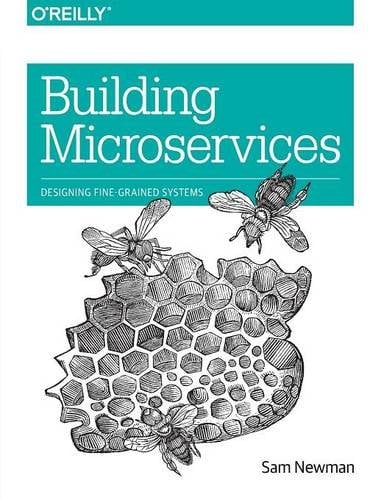
Building Microservices: Designing Fine-Grained Systems
by Sam Newman
Distributed systems have become more fine-grained in the past 10 years, shifting from code-heavy monolithic applications to smaller, self-contained microservices. But developing these systems brings its own set of headaches. With lots of examples and practical advice, this book takes a holistic view of the topics that system architects and administrators must consider when building, managing, and evolving microservice architectures.