
Worker Threads in Node.js
An interesting tutorial that will teach you how to use worker threads to run CPU-intensive tasks in Node.js. Something that can be pretty useful in certain circumstances.


“Never underestimate the bandwidth of a station wagon full of tapes hurtling down the highway”
This issue is kindly sponspored by:
We help upcoming influencers and businesses do big things 🚀
Start scheduling content today for free here.
An interesting tutorial that will teach you how to use worker threads to run CPU-intensive tasks in Node.js. Something that can be pretty useful in certain circumstances.
Not long after the release of Yarn 2, here a new major release of the most famous alternative JavaScript / Node.js package manager after npm. Yarn 3 comes packed with interesting features and capabilities. Check it out if you use Yarn already.
OCTO Project: How can we “fingerprint” a codebase to see its structure at a glance? Let’s explore ways to automatically visualize a GitHub repo, and how that could be useful.
Did you know you could host a static website built with Next.js on CloudFlare? In this tutorial you will learn how to set this up by using Cloudflare Pages.
How can we make disabled buttons more inclusive? When do they work well, and when do they fail on us? And finally, when do we actually need them, and how can we avoid them? Let’s find out.
An interesting use case showing how it is possible to massively reduce the bundle size of files generated by Next.js and achieve a way higher LightHouse score (98%).
Autocomplete search added to MDN Web Docs allows you to quickly jump to the document you're looking for by typing parts of the document title. Building autocomplete boxes is notoriously a hard business and this case study can give you some great insights if you want to build something similar!
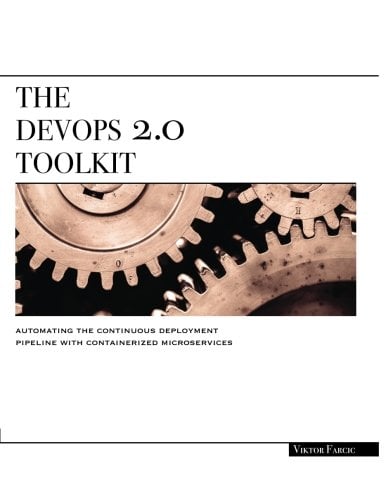
by Viktor Farcic
This book is about different techniques that help us architect software in a better and more efficient way with microservices packed as immutable containers, tested and deployed continuously to servers that are automatically provisioned with configuration management tools. It's about fast, reliable and continuous deployments with zero-downtime and ability to roll-back. It's about scaling to any number of servers, design of self-healing systems capable of recuperation from both hardware and software failures and about centralized logging and monitoring of the cluster.