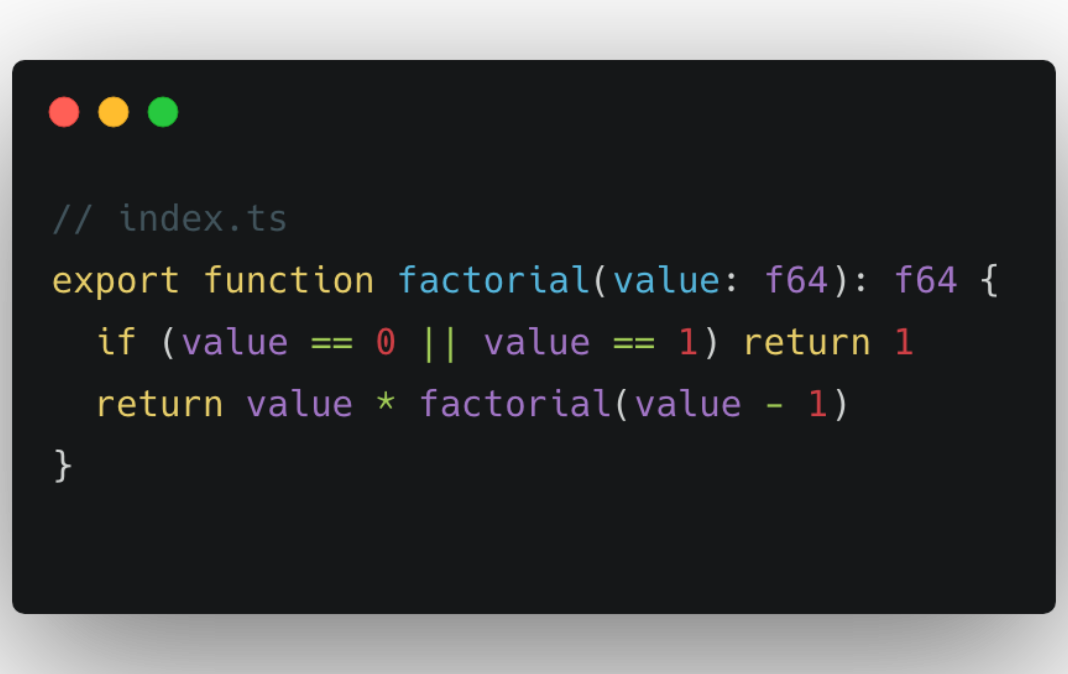
Adding a WebAssembly component to a React App
As a front-end developer working on real-world applications, WebAssembly isn't something I can actually use, is it? Let's find out how easy it can be using AssemblyScript.


“The function of good software is to make the complex appear to be simple”
Best 7 links of week #27, 2019
As a front-end developer working on real-world applications, WebAssembly isn't something I can actually use, is it? Let's find out how easy it can be using AssemblyScript.
Blazing Fast, Enterprise-Grade Web Components Foundation, open sourced by Salesforce.
What Is It, What Problems Does It Solve and How Does It Compare With Alternatives? This article is the first part of a two-part article series on Kubernetes and why it's getting so much traction in the Dev community.
Fuzzing and property testing both involve generating random inputs, and then checking if a program misbehaves on those inputs. This description should probably leave you raising your eyebrow slightly: if you start being vague enough, lots of entirely different things sound similar. But there are some real similarities between these two techniques.
Node.js has been using a derivative of nginx’s parser with a lot of customization/rewrite since its inception. In this über interesting talk from JSConf EU 2019, Fedor Indutny presents the new Node.js HTTP 1.1 parser, called llhttp.
This article surveys the current state of JavaScript tooling for a class of testing techniques which address something called “the oracle problem".
Common Serverless Errors is a compilation of the most common Serverless Framework errors developers run into on AWS. Also listed, is an explanation of why the error occurred and what you can do to fix it.
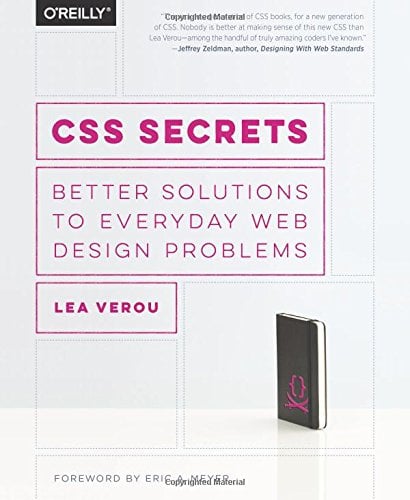
by Lea Verou
In this practical guide, CSS expert Lea Verou provides 47 undocumented techniques and tips to help intermediate-to advanced CSS developers devise elegant solutions to a wide range of everyday web design problems. Rather than focus on design, CSS Secrets shows you how to solve problems with code. You'll learn how to apply Lea's analytical approach to practically every CSS problem you face to attain DRY, maintainable, flexible, lightweight, and standards-compliant results.